
Aesthetic Clinic No-Shows: Deposits, Reminders and a Policy That Works

A no-show is the quietest way a clinic loses money. Nobody complains. Nobody leaves a review. There is just an empty treatment room at 2pm on a Thursday, a practitioner checking their phone, and a slot that cannot be sold again.
I’ve run clinics, and I’ve watched owners treat no-shows as a fact of life. “That’s just the business.” It isn’t. Most no-shows are a process problem, and a process problem can be fixed in an afternoon.
This post covers the three things that matter: how the booking is made, what the patient hears between booking and appointment, and what happens when they don’t turn up.
Why no-shows cost more than the slot
The obvious loss is the treatment fee. A missed 45-minute filler appointment is revenue you will not see again.
The less obvious loss is everything around it. The practitioner is still paid. The room is still lit and heated. Product may have been prepared. And somebody else may have asked for that slot, been told you were full, and booked with the clinic down the road.
That last one is the one that stings. A patient who is turned away on a Tuesday rarely comes back on a Wednesday. They’ve booked elsewhere and, if the experience was fine, they’ve got a new clinic.
So the aim is not just to punish no-shows. It is to protect the diary so the right patients can fill it.
Where no-shows actually come from
When I’ve looked at clinic diaries, no-shows usually come from four places:
- Forgetting. The booking was made three weeks ago, nothing has been said since, and life got in the way.
- Low commitment. The patient booked on impulse at 11pm, with nothing paid and nothing asked of them.
- Fear. First-time patients get nervous about needles, about cost, about being judged. Silence gives that nerves room to grow.
- No clear way to change the booking. If cancelling means ringing a phone that nobody answers, the easiest option is to do nothing.
Notice that only one of those is about the patient being careless. The rest are things the clinic can influence.
1. Take a deposit, and explain it plainly
A deposit is the single most effective change I know. A patient who has paid something has made a decision. A patient who has paid nothing has made a note.
Some things I’d get right:
- Make it proportionate. For most treatments, a fixed sum or a percentage of the fee is enough. It needs to matter a little, not feel like a penalty.
- Say what it is for. “This holds your slot and comes off the cost of your treatment.” That reads as part of the price, not a fine.
- Take it at the point of booking. Chasing a deposit afterwards by text is awkward and mostly fails.
- Say what happens to it if they cancel. Be specific about the notice period and what is refunded or moved.
If your booking system cannot take a deposit, that is worth knowing. I wrote about the late-night booking problem in the online booking post. Booking and payment belong in the same place, at the moment the patient is keen.
2. Write a cancellation policy a patient can read in ten seconds
Most cancellation policies I see are three paragraphs of small print that nobody has read, including the staff. Then a patient no-shows, the clinic invokes the policy, and the patient says they never saw it. Now you have an argument and probably a one-star review.
A good policy is short and shown before payment. Something like:
- 48 hours’ notice to move or cancel and your deposit is kept for a future booking.
- Less than that, or if you don’t attend, the deposit is not refunded.
- Late by more than 15 minutes, we may need to shorten or rebook your treatment.
Put it in three places: on the booking page, in the confirmation message, and in the reminder. The patient who is told three times cannot say they weren’t told.
One honest caution: I’m a clinic operator, not a solicitor. Terms that charge patients need to be clear and fair, so have your policy checked by someone who advises on consumer law before you rely on it. Plain wording and early disclosure are what protect you, and they are also what keep patients on your side.
3. Use a short reminder sequence
Reminders work because they are cheap and nobody minds them. Three is enough:
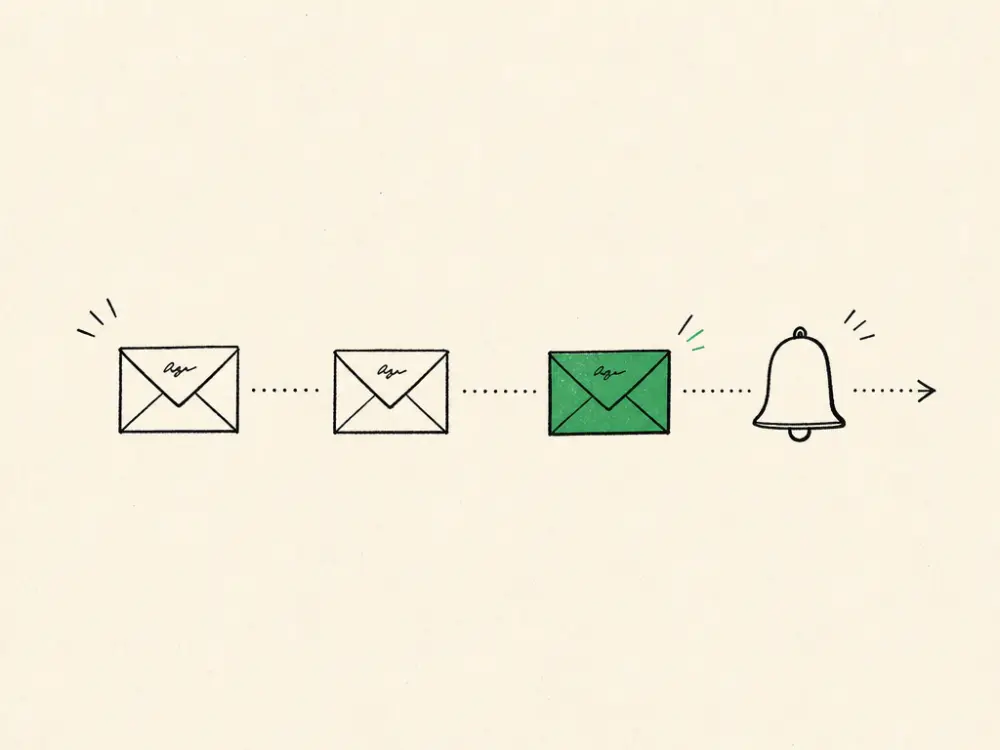
- Straight after booking. Confirm the date, time, address, the deposit and the policy. Include a link to change the booking.
- Two or three days before. A friendly nudge, with the change link again. This is the one that gives people time to rearrange, which means you get notice and a chance to refill the slot.
- The morning of. Short. Time, address, parking, and what to expect.
Keep the tone like a person wrote it. “Hi Sarah, looking forward to seeing you Thursday at 2pm. If anything’s come up, tell us here and we’ll find another time.” Nobody ignores that as easily as a robotic block of text.
For first-time patients I’d add one more line in the confirmation: what the appointment involves. A short, calm note about the consultation, that nothing has to be decided on the day, and that they can ask anything. That removes a good share of the fear that quietly cancels bookings.
4. Make cancelling easier than ghosting
This is the point owners miss. If a patient wants to cancel and cannot easily do it, they will not cancel. They will just not come.
So every message needs a way to reply or rebook that takes ten seconds. A link, or a reply to the text. And somebody, or something, needs to be there to pick it up. If your clinic phone rings out during treatments and the message goes nowhere, patients who tried to do the right thing end up as no-shows in your diary.
This is the same leak I keep finding elsewhere: the enquiry or the change request arrives, nobody is free, and by the time someone responds the moment has gone. Missed calls and slow replies cause more empty slots than bad patients do.
5. Fill the gap when it opens
Even with all of this, some slots will open up. The clinics that handle it well treat a cancellation as a small sales task:
- Keep a short list of patients who said “if anything comes up sooner, let me know”.
- When a slot opens inside 48 hours, message that list first, not social media.
- Offer it once, clearly, with a link to book.
This turns a cancellation with notice into a rebooked slot. It’s the difference between a clinic that loses a few hours a month and one that loses a day.
What to do this week
Start with the cheapest change and work down:
- Write your cancellation policy in three lines and put it on the booking page, where the patient pays.
- Switch on a deposit for every new-patient booking, with a one-sentence explanation of what it covers.
- Set up three reminders: booking, two or three days before, and the morning of. Each with a change link.
- Check who answers a “can I move my appointment?” message. Send one yourself at 6pm and see how long a reply takes.
Count your no-shows for the next four weeks. Don’t aim for zero. Aim for noticeably fewer, and for the ones that remain to come with notice.
Surinder Ahitan grew the CoLaz aesthetic clinic group from one to nine UK locations, and still runs its website.
If you’d like this handled for you, I build and run websites for UK aesthetic clinics for £297 a month, with no build fee and no minimum term. Book a 30-minute call and I’ll tell you honestly whether it fits.